National Institutional and Program Accreditation Standards and Their Importance in Iraqi Universities)
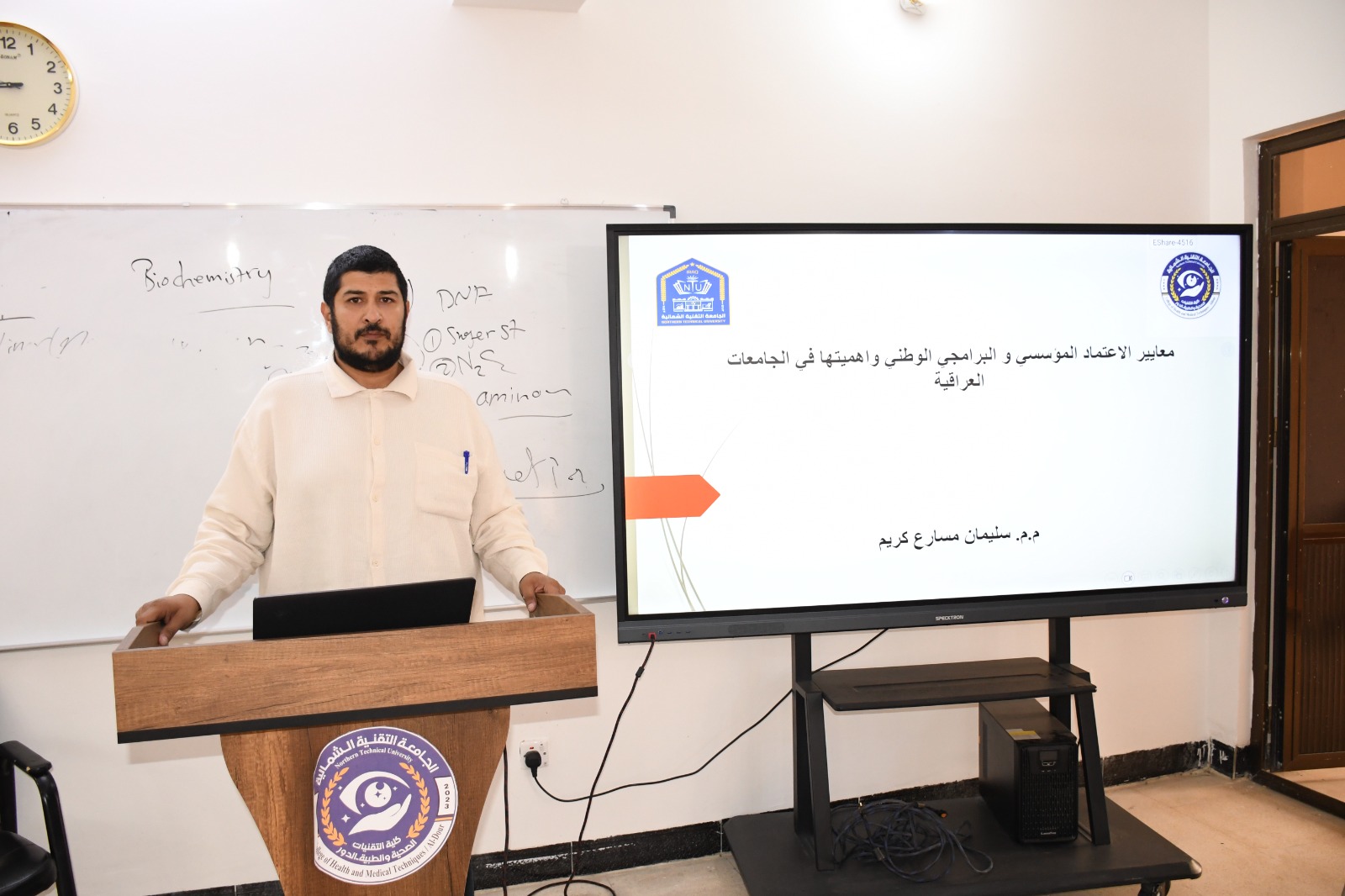
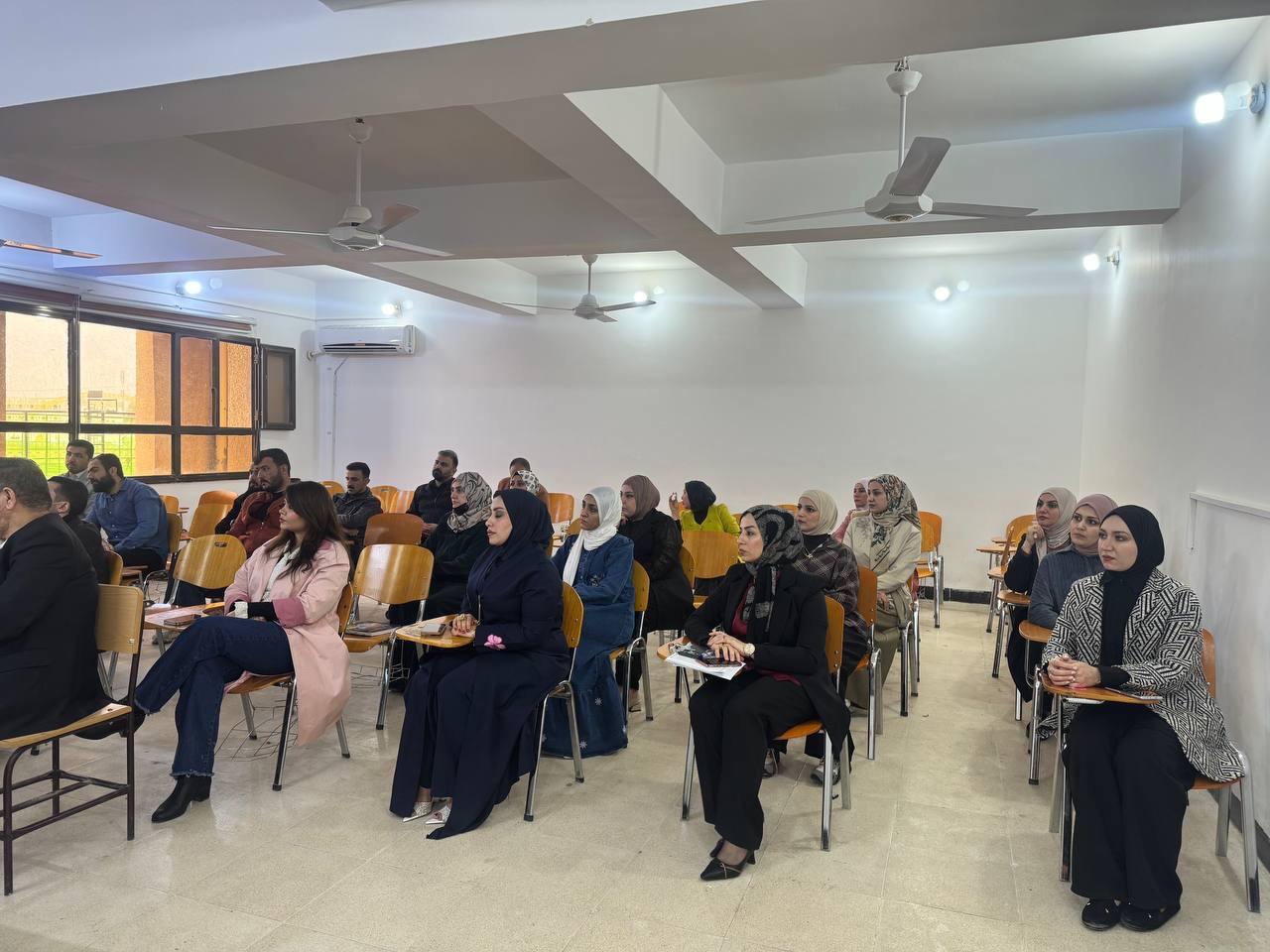
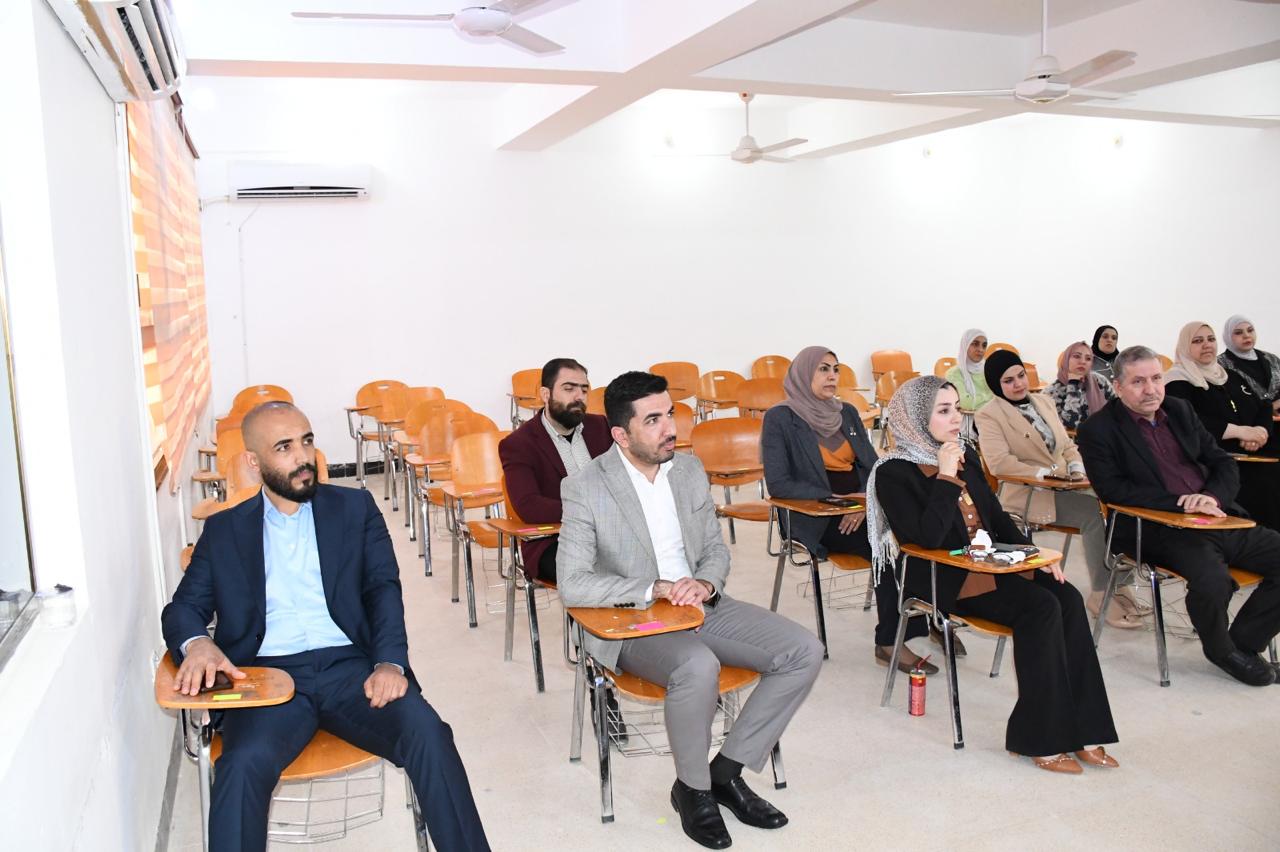
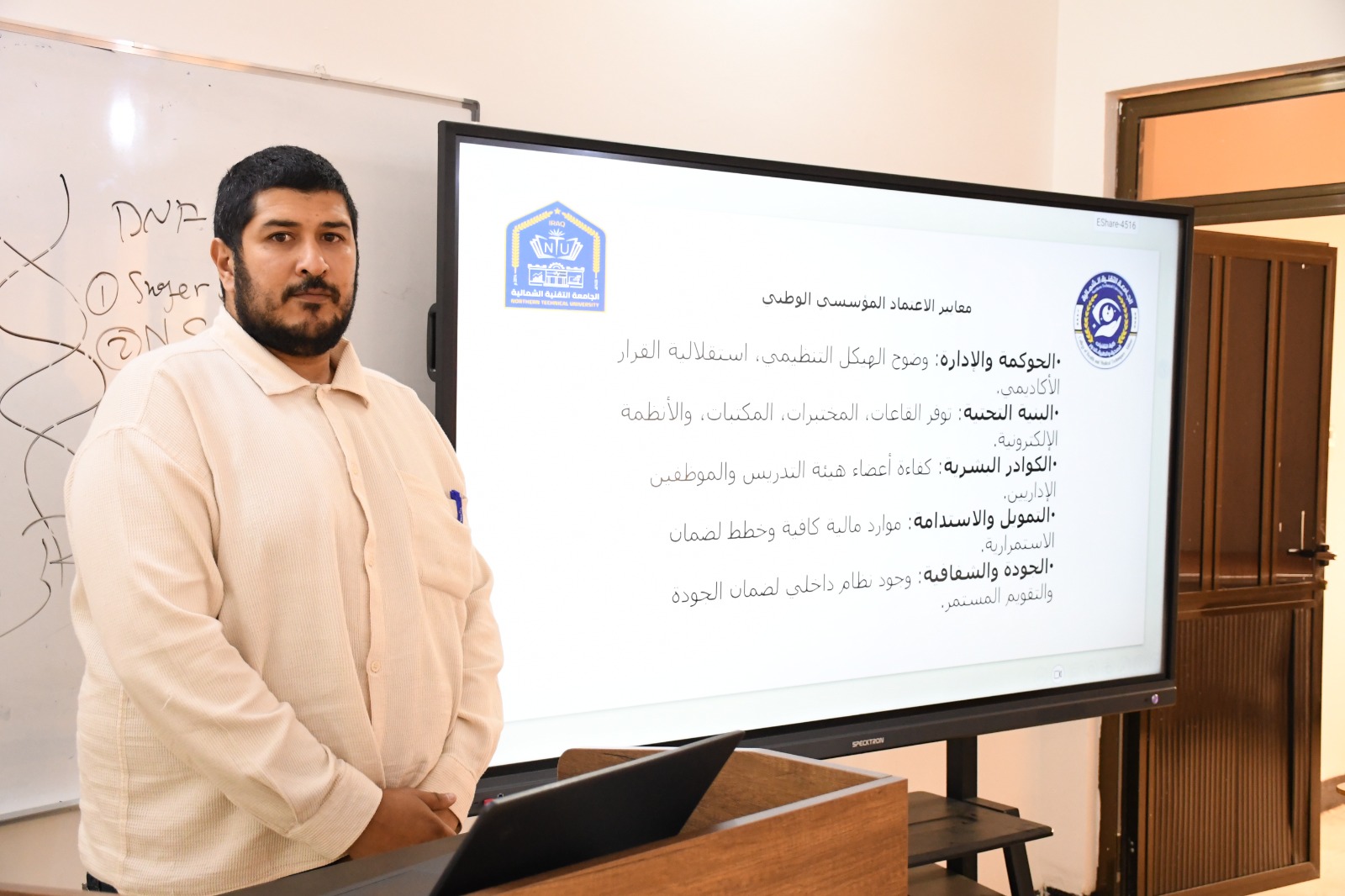
The College of Health and Medical Technologies, represented by the Quality Assurance and University Performance Division, organized a specialized training course titled “National Institutional and Program Accreditation Standards and Their Importance in Iraqi Universities,” as part of the division’s activities aimed at promoting a culture of quality and academic accreditation in educational institutions.
The course was presented by Assistant Professor Suleiman Masare’ Karim, and the target audience was the college’s faculty and staff.
This course comes amid the trend among universities in Iraq toward developing the higher education system and raising the quality of their outputs in line with national and international standards, as institutional and program accreditation is considered one of the most important tools contributing to achieving academic and administrative excellence and strengthening public confidence in educational institutions.
The workshop aimed to familiarize participants with the national standards for institutional and program accreditation and their regulatory foundations, and to highlight their importance in improving the quality of education and scientific research. It also sought to clarify the role of accreditation in enhancing the competitiveness of Iraqi universities regionally and internationally, in addition to providing practical steps to help academic institutions prepare for evaluation and accreditation processes successfully, as well as linking these standards to global trends in the field of quality assurance.
The course included theoretical lectures supplemented by practical workshops and interactive discussions, during which the national framework for academic accreditation in Iraq was reviewed, and the associated legal and regulatory foundations were explained. The course also addressed institutional accreditation standards, including governance, university administration, infrastructure, student services, and human and financial resources. Regarding program accreditation, the focus was on designing curricula in accordance with quality standards, mechanisms for assessing learning outcomes, and aligning academic programs with labor market needs.
A portion of the session was also dedicated to presenting practical steps toward obtaining accreditation, including the preparation of self-assessment reports, the implementation of internal and external review mechanisms, and the development of continuous improvement plans, while emphasizing the importance of keeping pace with international experiences in the field of academic accreditation.
At the conclusion of the session, Professor Al-Malki presented a series of important recommendations, most notably the need to instill a culture of quality within Iraqi universities so that it becomes part of daily practices, rather than merely formal requirements. The session also emphasized the importance of preparing self-assessment reports periodically to identify strengths and weaknesses and develop continuous improvement plans.
The recommendations emphasized the need to strengthen the link between academic programs and labor market needs through continuous curriculum updates, alongside investing in the development of academic and administrative staff capabilities through specialized training programs in quality assurance and accreditation. They also stressed the importance of drawing on international experiences while taking into account the specificities of the Iraqi environment, and paying attention to infrastructure and student services as an essential part of the quality of the educational process.
The session concluded with an emphasis on the fact that academic accreditation is not an end in itself, but rather a means to achieve sustainable improvement in academic and administrative performance, thereby contributing to the enhancement of Iraqi universities’ standing at the regional and international levels.