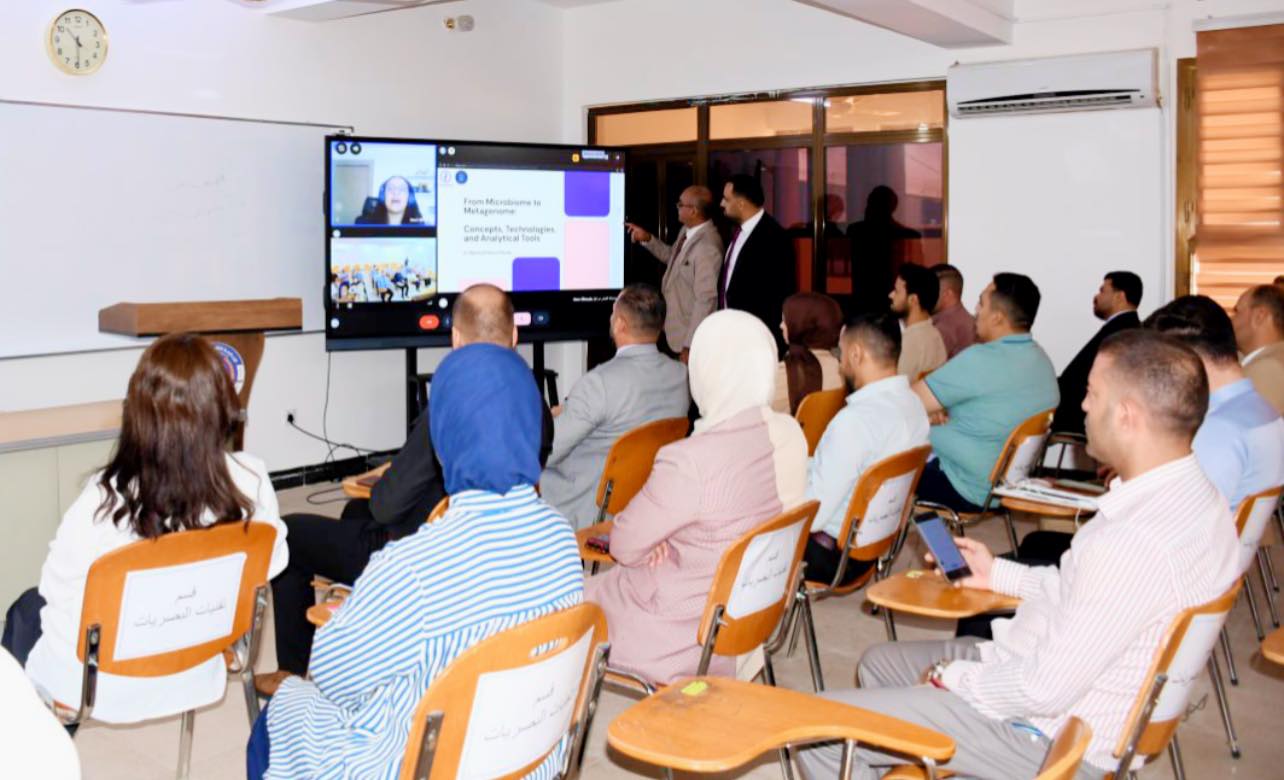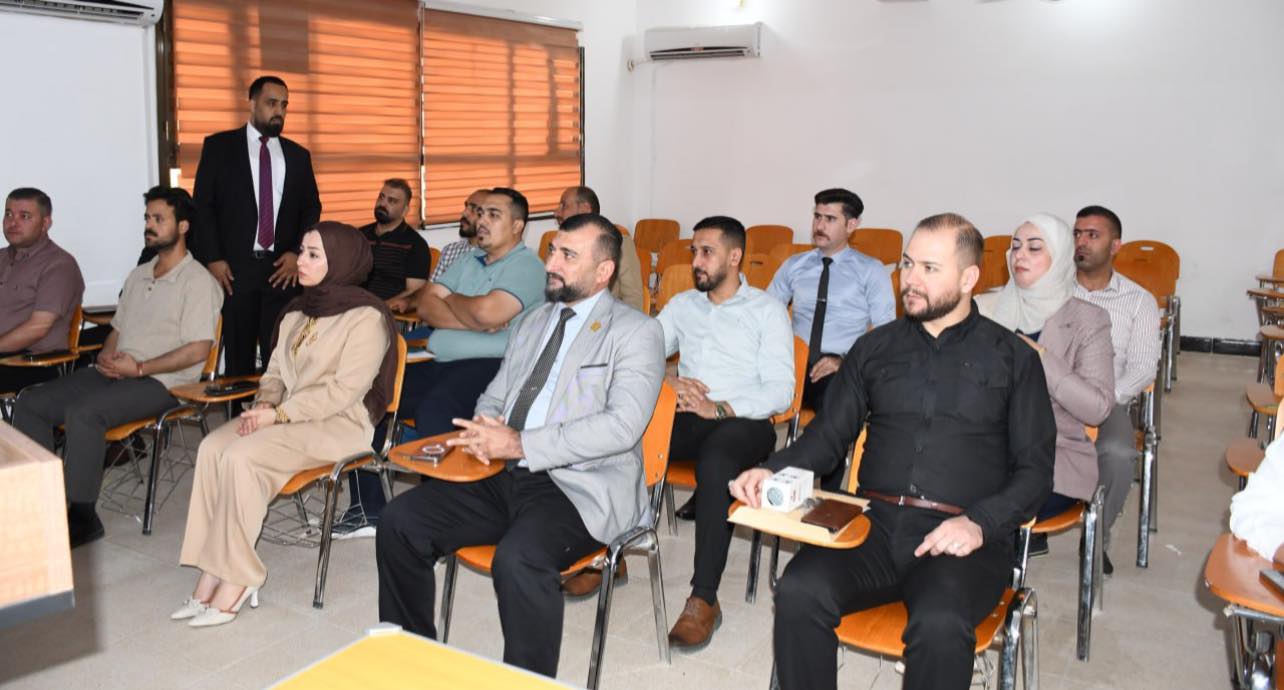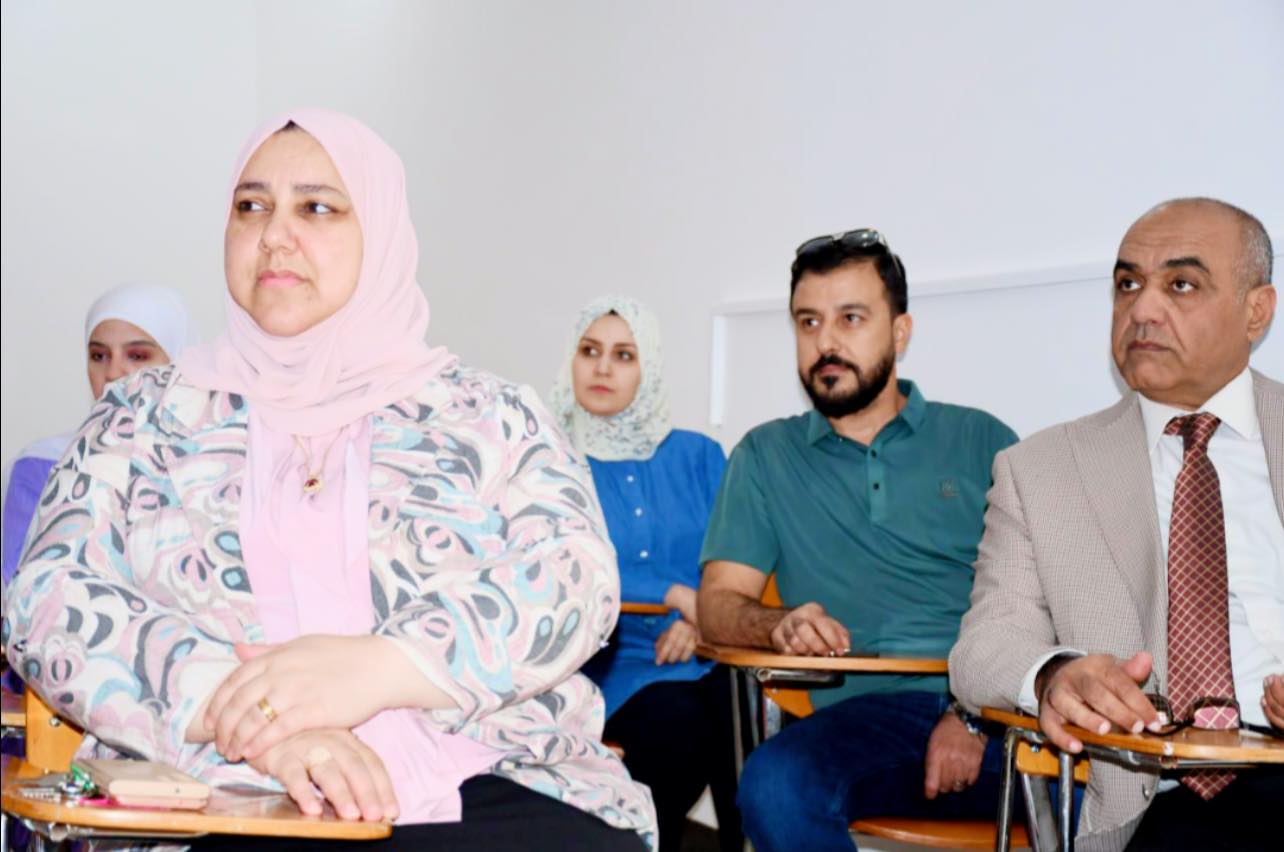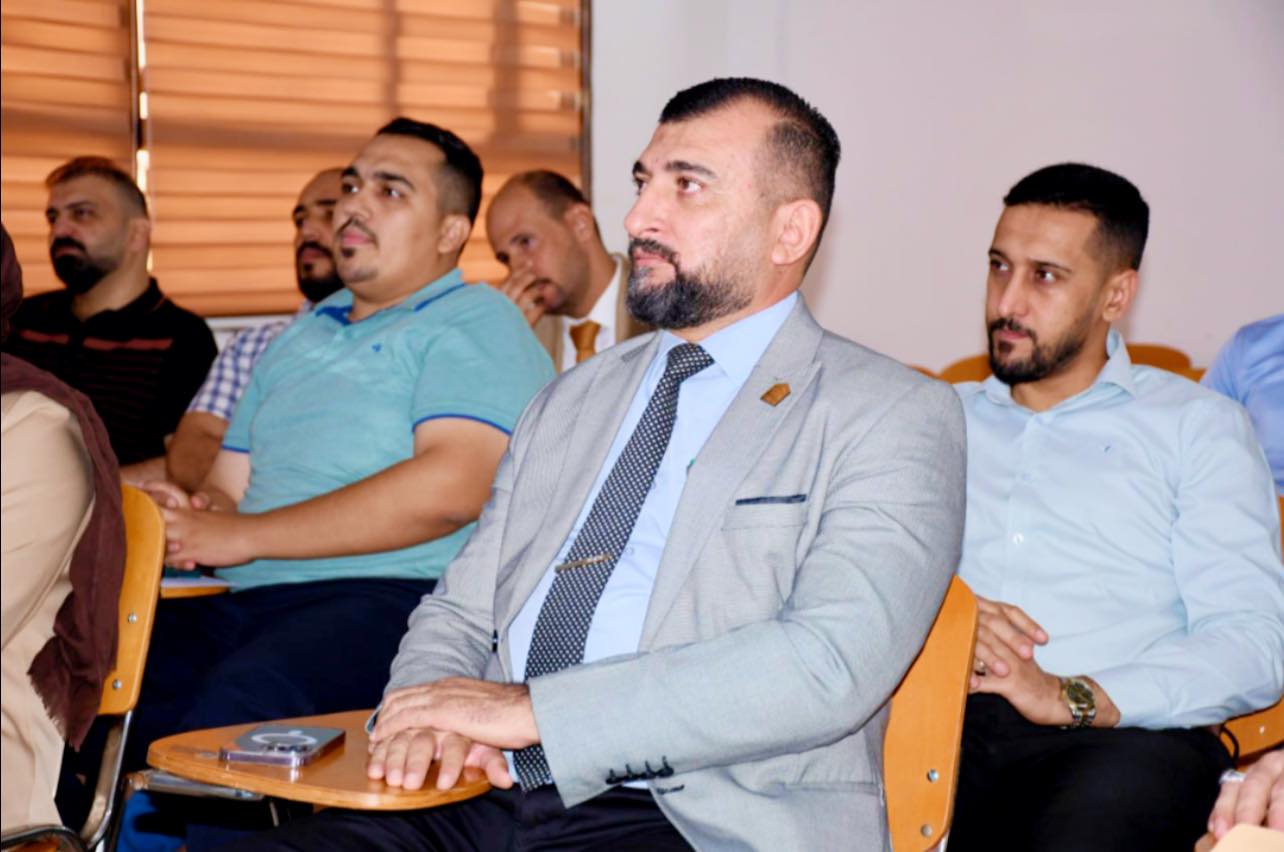
Our faculty shines by organizing a scientific course in collaboration with the Republic of Tunisia
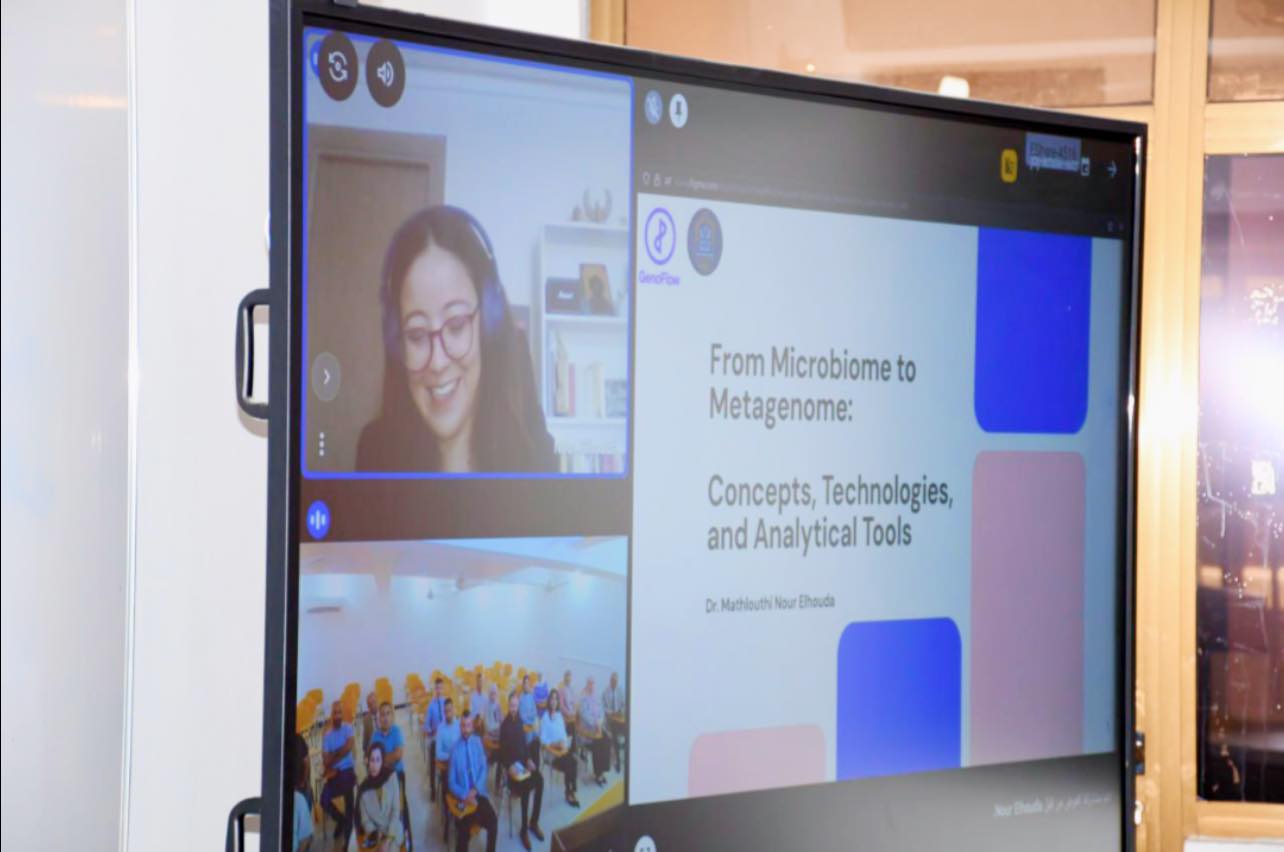
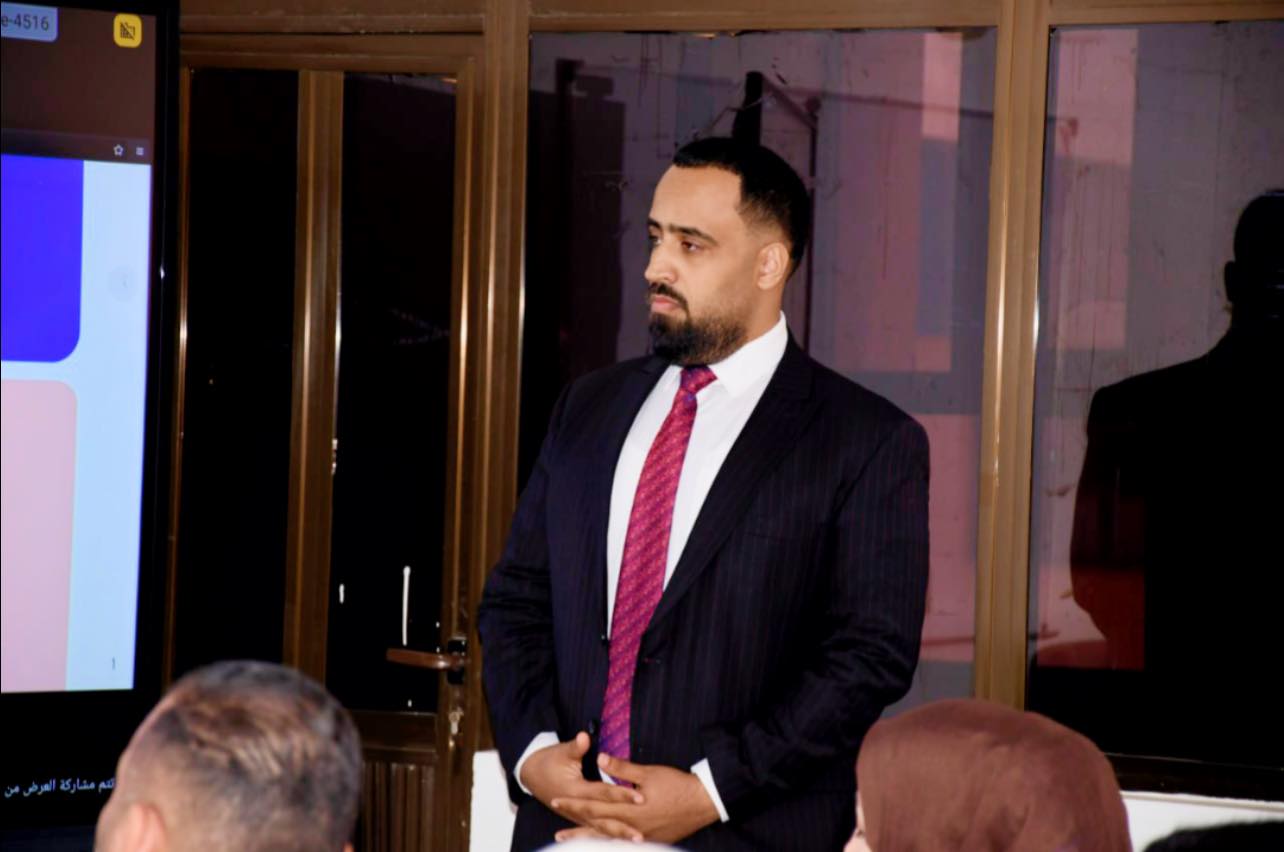
Under the patronage of the President of Northern Technical University, Prof. Alia Abbas Al-Attar, and under the supervision of the Dean of the Faculty, Assistant Prof. Maqsood Adel Mahmoud, and in line with the efforts made by Northern Technical University and its formations to promote openness and rapprochement between our educational institution and other institutions at all local, Arab, and international levels, and international levels, the Faculty of Health and Medical Technologies organized a scientific course during the month of October entitled: (From Microbiome to Metagenome: Concepts, Techniques, and Analytical Tools) in collaboration with Geno Flow – Sfax / Republic of Tunisia.
The course was presented by:
Dr. Asaad Taha Al-Douri/ Republic of Iraq
Dr. Nour Al-Huda Al-Mathlouthi/ Republic of Tunisia
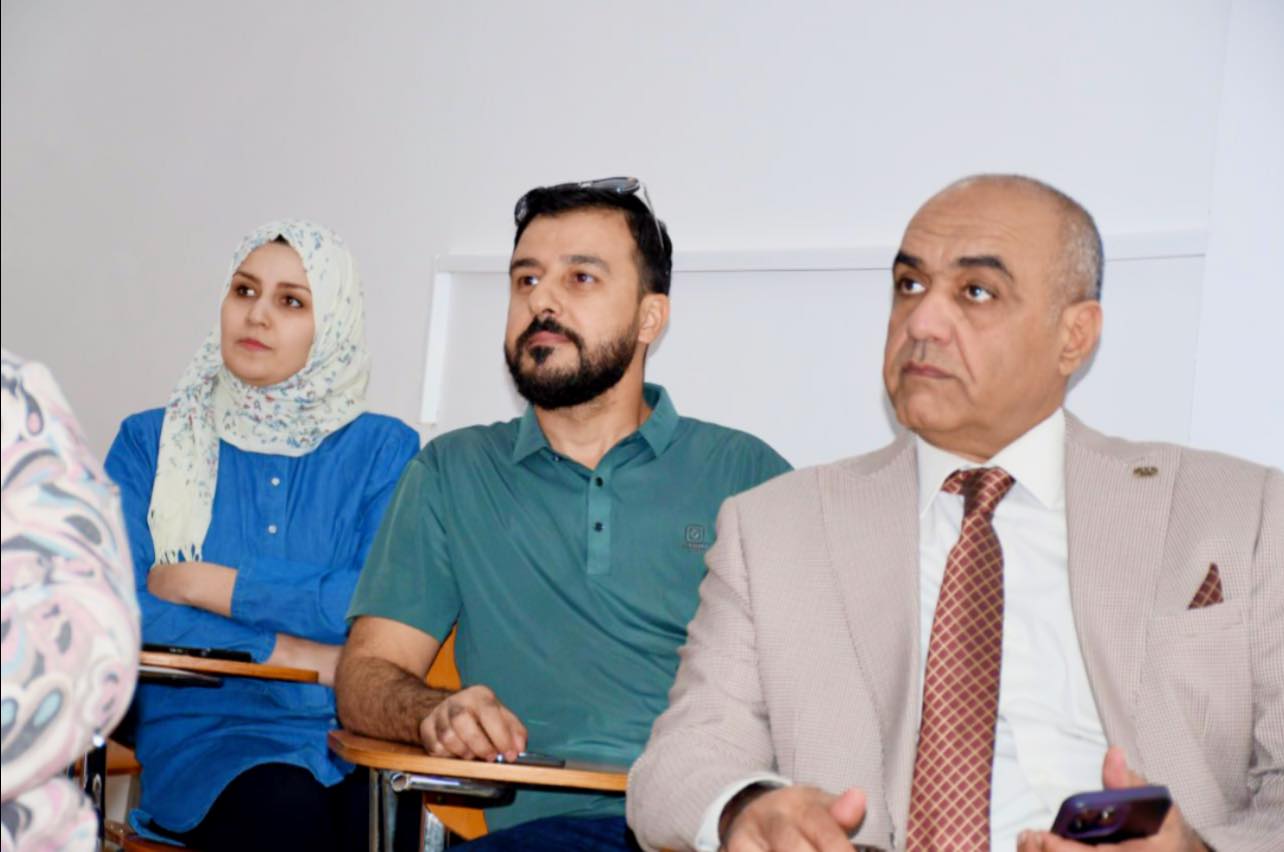
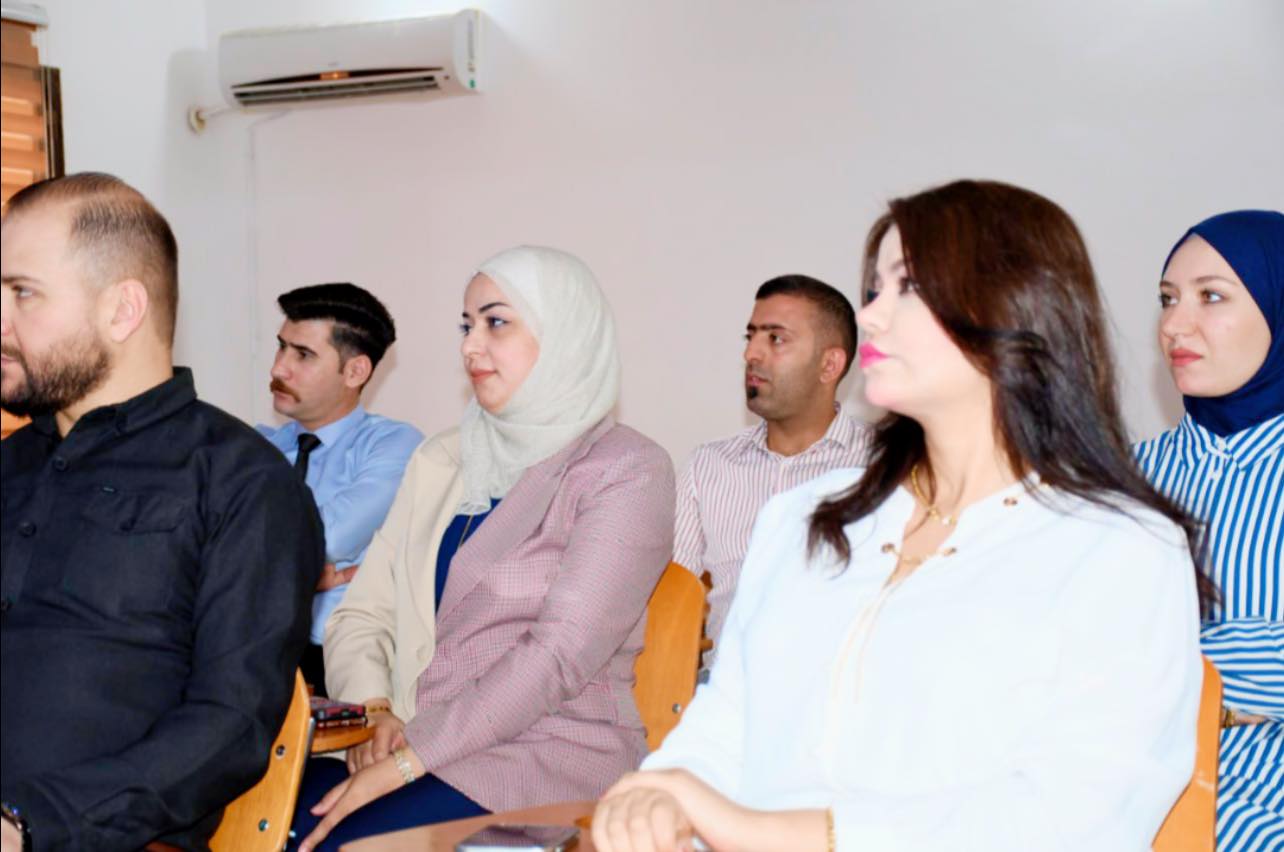
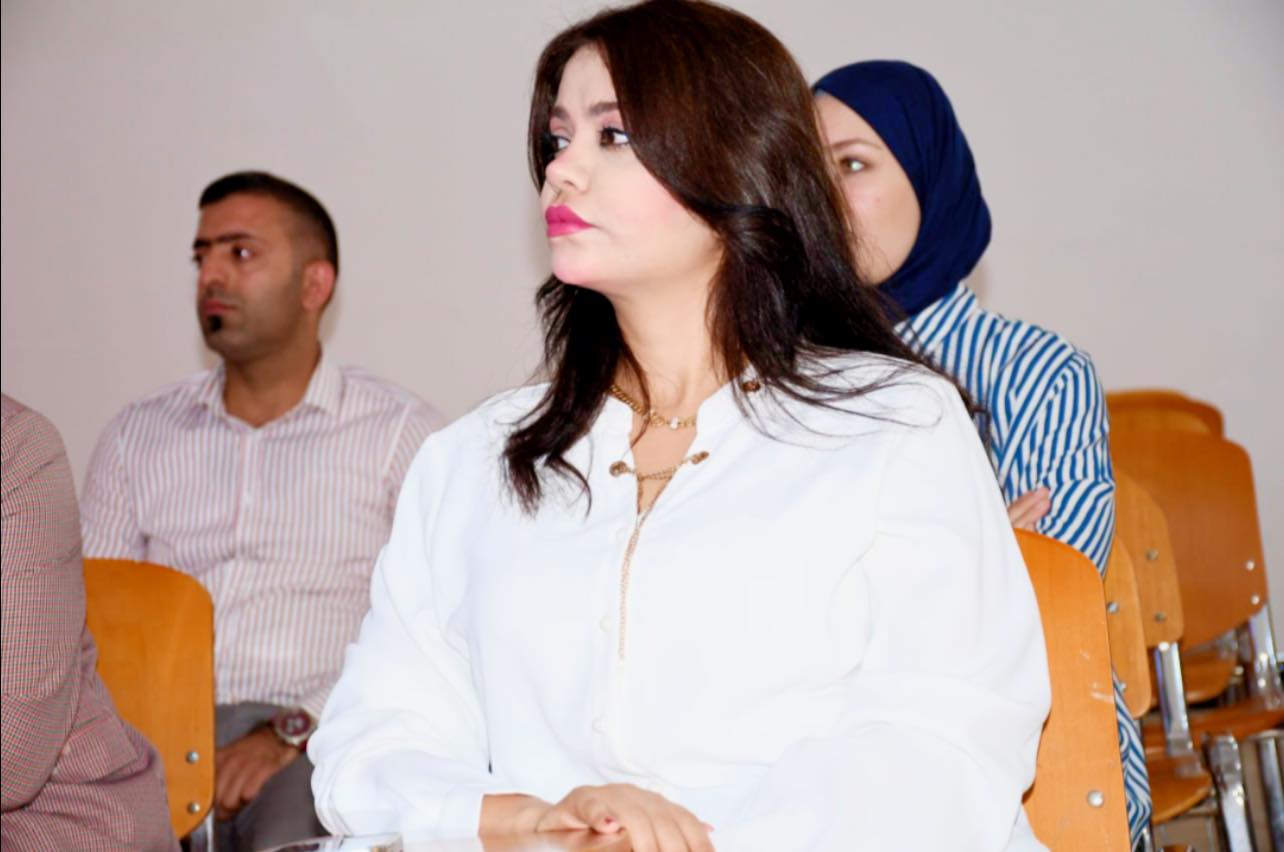
It was attended by a large number of faculty members.
The course aimed to:
1. Enhance scientific understanding
• Clarify the difference between the microbiome and the metagenome and their importance in scientific research and medical and environmental applications.
2. Provide a comprehensive overview of modern techniques
• Review methods of sample collection, DNA extraction, and genome sequencing (NGS, Metabarcoding, Shotgun).
3. Introduce participants to analytical tools
• Present the most important software and platforms such as QIIME2, Kraken2, MetaPhlAn, and Galaxy.
4. Capacity building in bioinformatics analysis
• Enabling participants to understand the workflows used in data processing.
5. Opening up prospects for scientific collaboration
• Strengthening links between researchers in Iraq and Tunisia and regional and international partners.
In conclusion, the course organizers recommended the following:
1. Developing sustainable training programs
• Proposing the establishment of courses or research clubs on bioinformatics and metagenomics at universities and medical and scientific colleges.
2. Providing technical infrastructure
• Supporting laboratories with high-performance computers and free or licensed software for genomic analysis.
3. Encourage joint research projects
• Launch partnerships between researchers and students in Iraq and other countries in the region, especially with international or Arab funding.
4. Take advantage of online training platforms
• Adopt intensive courses (MOOCs – Workshops Online) to enhance analytical skills.
5. Integrate content into academic curricula
• Include the topics of metagenomics and microbiomes in courses on medicine, microbiology, biotechnology, and molecular analysis.
6. Create a scientific communication network
• Establish a research group or communication platform for participants to exchange data and experiences.